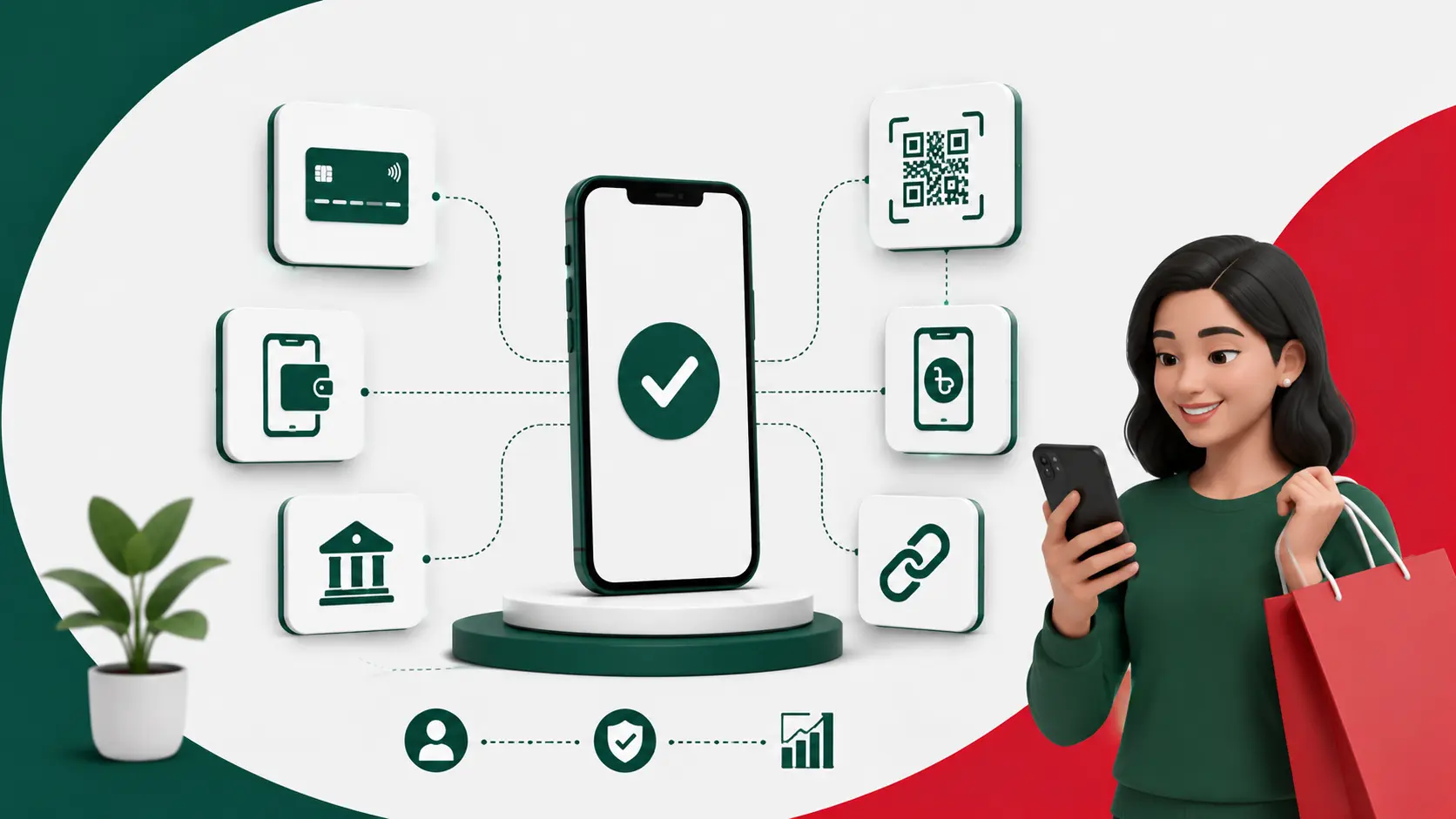
Customers want to pay in the way that feels easiest for them. Some prefer cards, while others use mobile wallets, bank transfers, QR payments, or payment links. When a business supports several payment options, customers have fewer reasons to leave a purchase unfinished. A reliable online payment gateway in Bangladesh can bring these options together and give businesses a single payment environment to manage transactions.
The payment experience is now part of the overall customer experience. A customer may find a product, complete an order through a website, receive an invoice by email, and pay from a mobile phone. If the payment process forces the customer into an unfamiliar method, the purchase can quickly become inconvenient. Working with a suitable payment gateway company in Bangladesh can help businesses offer payment choices that match different customer preferences.
For businesses serving customers through websites, social media, physical outlets, mobile applications, and sales teams, payment flexibility can make a noticeable difference. A customer should not have to change their preferred payment method simply because the sales channel has changed.
What Are Multi-Channel Payments?
Multi-channel payments allow a business to collect money through several payment methods and customer touchpoints.
These can include:
Debit and credit cards
Mobile financial services
Bank transfers
QR payments
Payment links
Website checkout
Mobile applications
Social commerce
Physical store payments
Recurring payment arrangements
Instead of depending on one payment method, businesses can provide several choices based on the customer, transaction type, and sales channel.
For example, an online retailer may accept card payments through its website while also providing a payment link through Messenger or WhatsApp. A physical store may accept QR payments at the counter, while its sales team can send payment links to customers who want to pay remotely.
This approach gives customers more control over how they complete a purchase.
Why Payment Choice Matters to Customers
Payment preferences differ from one customer to another. Age, location, device, transaction size, trust, and personal habits can all influence the preferred payment method.
A customer who regularly uses a mobile wallet may not want to enter card details. Another customer may prefer a bank transfer for a large purchase. Someone buying through social media may find a payment link more convenient than visiting a website.
Research across digital commerce frequently shows that payment friction can influence checkout completion. For a business processing 10,000 monthly checkout attempts, even a 2% improvement in completed payments would represent about 200 additional transactions. The actual result depends on the business, customer base, pricing, and checkout experience, but the example shows why payment choice deserves attention.
How Multi-Channel Payments Improve Customer Experience
1. Customers Get More Payment Choice
The most direct benefit is freedom of choice.
A business offering several online payment methods in Bangladesh can serve customers with different preferences instead of expecting everyone to use the same channel.
For example, a customer may choose:
Card for an online purchase
Mobile wallet for a quick transaction
Bank transfer for a higher-value order
QR code for an in-store purchase
Payment link for an invoice or remote sale
More options can reduce the number of customers who stop at checkout because their preferred method is unavailable.
2. Checkout Becomes More Convenient
Customers value simple payment experiences. If they can choose a familiar method without unnecessary steps, the transaction can feel easier.
Consider a customer ordering through social media. Sending a payment link directly through the conversation can remove several steps from the process. The customer does not necessarily need to search for a website, create another account, or manually communicate transaction details.
For businesses, this can make payment collection more practical across different sales situations.
3. Customers Can Pay Through Their Preferred Device
Mobile phones play a major role in digital transactions. Many customers research products, communicate with sellers, and complete purchases from smartphones.
A mobile-friendly payment experience means customers can complete a transaction without moving to another device.
For example, a customer receiving an invoice by email can open the payment page from a smartphone and complete the transaction immediately. A customer speaking with a sales representative can receive a payment link and pay from the same device.
This reduces interruptions during the buying process.
4. Payment Links Make Remote Sales Easier
Not every purchase starts on a website.
Consultants, service providers, retailers, educational institutions, clinics, and other businesses may receive orders through phone calls, social media, email, or messaging platforms.
Payment links can connect these conversations with digital payment collection.
A salesperson can confirm an order, generate a payment request, and send it directly to the customer. The customer then opens the link and completes the payment using an available option.
This is particularly useful when customers do not want to visit a physical location or go through a lengthy checkout process.
5. QR Payments Can Improve Physical Checkout
QR payments can be useful in stores, restaurants, events, clinics, and other locations where customers need to pay quickly.
A visible QR code can allow customers to scan and continue with a supported payment application. This can reduce dependence on cash and give customers another way to complete purchases.
For a busy retail counter, even small reductions in payment time can matter. If a payment process takes 20 seconds less per customer and a store handles 300 transactions during a busy day, that represents roughly 100 minutes of saved customer-facing time.
The actual benefit will vary by transaction type and store setup, but the principle remains useful: quicker payment can reduce queues and improve the buying experience.
Multi-Channel Payments and Failed Transactions
Payment failures can create frustration, especially when customers do not understand why a transaction was declined.
A business that supports several payment channels gives customers another option when one method is unavailable.
For instance, if a card transaction does not go through, the customer may be able to use a bank account or mobile wallet. This does not eliminate payment failures, but it can give customers another path to complete the purchase.
Businesses should still monitor failure reasons, declined transactions, timeout issues, incorrect information, and other payment problems.
Better Payment Experiences Can Support Repeat Purchases
Customer experience does not end after the first transaction.
If customers remember a checkout process as simple and convenient, they may be more comfortable purchasing again. This is particularly relevant for businesses with frequent transactions, such as retailers, restaurants, subscription services, educational institutions, and online sellers.
A business using a suitable payment gateway service provider in Bangladesh can review transaction information across supported channels and identify which payment options customers use most frequently.
This information can help businesses decide which methods deserve greater visibility at checkout.
Supporting Different Types of Customers
Multi-channel payment systems can be useful for businesses serving customers with different needs.
A younger customer may prefer mobile-based payments. A corporate buyer may prefer bank transfers. A local customer may use a mobile wallet, while an overseas customer may need another payment route.
This becomes even more relevant for businesses accepting payments from outside the country. An international payment gateway in Bangladesh can support businesses that serve customers across borders, subject to the applicable payment, banking, foreign exchange, and regulatory requirements.
The goal is not to offer every possible payment method without reason. The goal is to provide the methods that make sense for the business and its customers.
What Businesses Should Consider Before Adding Multiple Channels
Adding payment methods should be based on customer behavior rather than simply increasing the number of options.
Businesses should review:
Customer Preferences
Check which payment methods customers already request or use.
Transaction Security
Payment channels should include suitable authentication, transaction monitoring, and security controls.
Mobile Experience
Every payment option should work properly on smartphones since many transactions begin or finish on mobile devices.
Reporting
Businesses need clear transaction records so finance teams can reconcile payments across channels.
Integration
Payment channels should work with the company's website, applications, accounting tools, POS systems, or other relevant software where required.
Customer Support
Customers should have a clear process for handling failed, pending, refunded, or disputed transactions.
Choosing the Right Payment Partner
A payment provider should be assessed based on more than the number of payment options it offers.
Businesses should look at transaction support, integration options, reporting, settlement procedures, security practices, customer support, pricing, and the payment methods relevant to their target audience.
For businesses comparing providers, the best payment gateway Bangladesh option is not necessarily the provider with the largest feature list. The better choice is the one that fits the company's transaction volume, customer base, sales channels, and operational requirements.
Pricing also deserves careful review. Businesses should understand transaction charges, settlement fees, refund-related costs, integration expenses, and any other applicable charges before making a decision.
How EPS Supports Multi-Channel Payment Needs
For businesses looking for a central payment setup, EPS Bangladesh provides payment services designed for different business and industry requirements. A business can assess its preferred channels, customer payment habits, and operational needs before selecting the appropriate setup.
An easy payment system in Bangladesh should make payment collection convenient for customers while giving businesses clear visibility over transactions. The right combination of payment channels can support online sales, physical transactions, remote collections, invoices, and other business payment situations.
Final Thoughts
Multi-channel payments are not simply about giving customers more buttons to choose from. They are about removing unnecessary barriers between a customer and a completed transaction.
A customer may want to pay through a mobile wallet today, a QR code tomorrow, and a card during another purchase. Businesses that recognize these differences can create a payment experience that fits real customer behavior.
The strongest approach is to identify the channels customers actually use, provide a clear checkout experience, maintain proper transaction records, and work with a payment partner that supports the required payment environment.
When payment becomes easier to access, easier to understand, and easier to complete, the customer journey becomes more comfortable from checkout to final confirmation.
How Multi-Channel Payments Improve Customer Experience
Posted on August 09, 2026